
Teddy Roosevelt: Beyond the Hill
06/23/2026

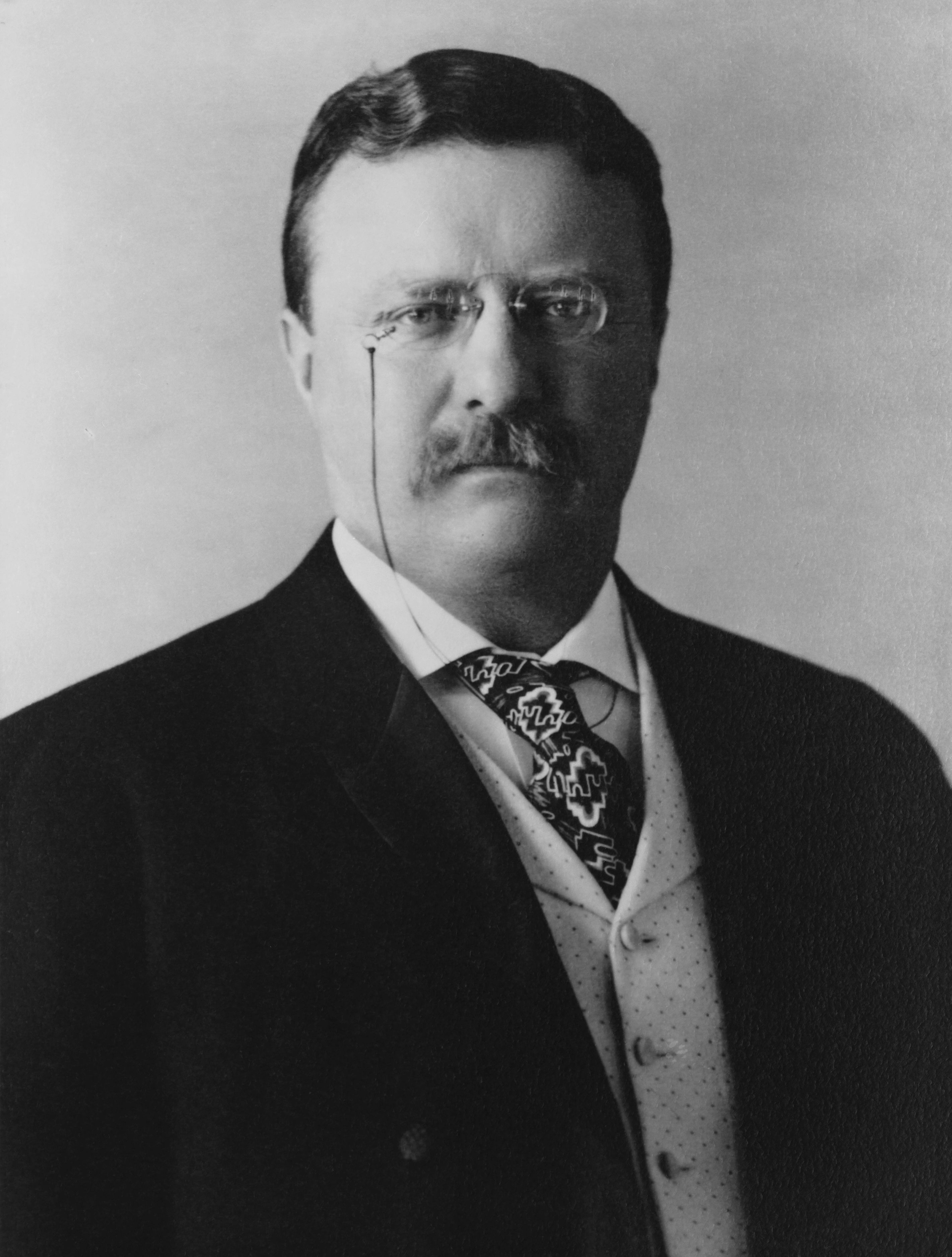
Before and after one famous charge in Cuba: the parks, the canal, the Nobel, a bullet he kept talking through, and the river that nearly finished him.
On October 14, 1912, outside the Gilpatrick Hotel in Milwaukee, a saloonkeeper named John Schrank stepped to within a few feet of an open car and shot Theodore Roosevelt in the chest.
Roosevelt was running for president again, a third time, under his own Bull Moose banner. He had just stood up in the car to wave his hat at the crowd when the round went in. The bullet passed through a folded fifty-page speech and a steel eyeglass case in his coat pocket before it lodged against a rib.
He put his hand inside his coat, felt the blood, and coughed hard into his palm. No blood came up. That told him the bullet had not reached his lung. So he told the men holding Schrank not to hurt him, and then he had himself driven to the auditorium to give his speech.
He spoke for close to an hour and a half with a bullet in him. Early on he opened his vest, showed the crowd the bloodstain spreading across his shirt, and said: “I don’t know whether you fully understand that I have just been shot; but it takes more than that to kill a Bull Moose.”
Surgeons decided it was safer to leave the bullet where it was. He carried it for the rest of his life.
He was fifty-three years old and four years out of the White House when this happened. Most people know him for something he did fourteen years earlier, on a hill in Cuba. They know almost nothing about the rest.
The Hill
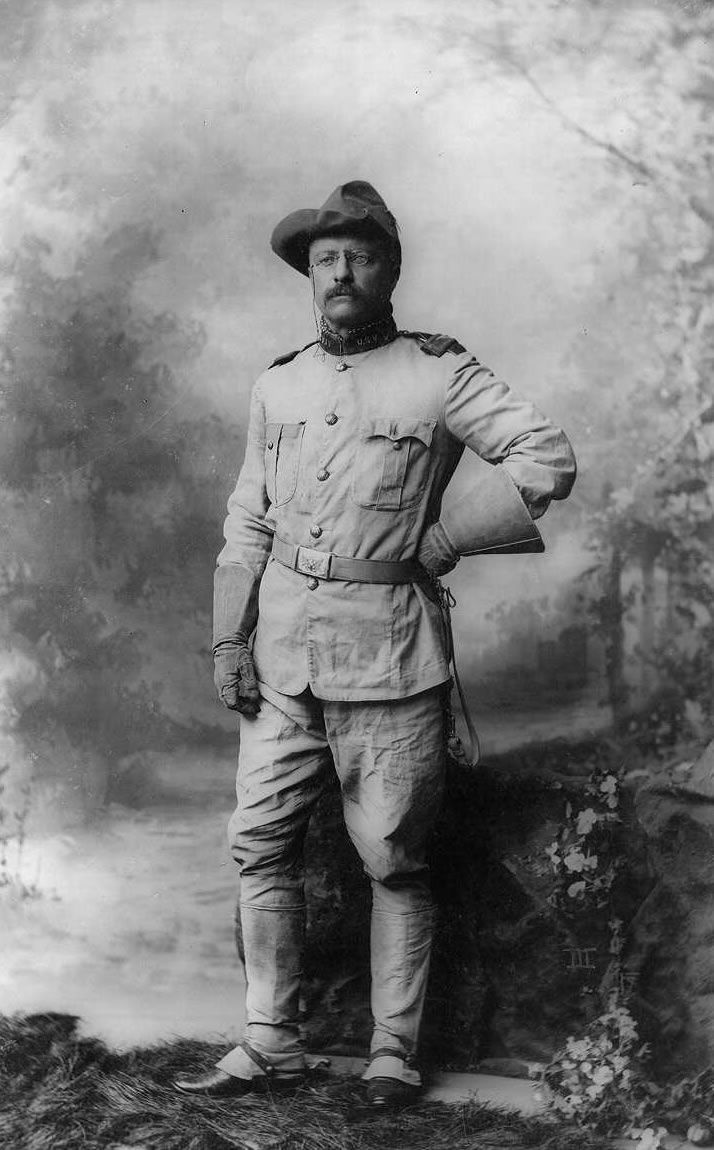
When the USS Maine blew up in Havana Harbor and the country went to war with Spain in April 1898, Roosevelt was Assistant Secretary of the Navy. He quit a comfortable desk to help raise the 1st United States Volunteer Cavalry. He knew he had never commanded men in combat, so he handed the colonelcy to his friend Leonard Wood, an Army doctor and a veteran, and took the rank of lieutenant colonel under him. The regiment filled with cowboys, Texas Rangers, miners, Ivy League athletes, and a few glee-club singers. The papers called them the Rough Riders.
They were cavalry in name only. The transport bottleneck in Tampa was so bad that the horses got left behind in Florida. The Rough Riders went ashore at Daiquirí on foot and fought the rest of the war as infantry in heavy wool in tropical heat.
The fight people call the charge up San Juan Hill is a geographic mix-up. On July 1, the American line went up the San Juan Heights, a ridge with two crests: San Juan Hill and Kettle Hill. Roosevelt led the assault on Kettle Hill. He started it on a horse named Little Texas, kept going until the animal hung up in a wire fence, then went the rest of the way on foot through grass that was being cut apart by Spanish Mauser fire. American Gatling guns hammered the Spanish trenches, around eighteen thousand rounds in under nine minutes, and the defenders broke. Buffalo Soldiers of the regular 9th and 10th Cavalry went up the slope mixed in with his volunteers. When he reached the top and saw the attack on San Juan Hill stalling, he ran a second charge across the open valley to help carry it.
He did the fighting at the top of Kettle Hill with a revolver. Not a standard issue Army sidearm, but a Colt chambered in .38 Long Colt, serial number 16334, that Navy divers had pulled from the wreck of the Maine on the harbor bottom. His brother-in-law, Navy Captain William Cowles, had the waterlogged gun refurbished and put it in Roosevelt’s hand before the regiment shipped out. He carried the Maine into the fight that the Maine started.
His own commanders put him in for the Medal of Honor right away. The War Department buried the recommendation, in part because Roosevelt had publicly demanded the fever-ridden army be pulled out of Cuba and humiliated the administration doing it. The medal finally came in January 2001, a hundred and three years late, awarded posthumously. He is the only president to hold it.
The Made Man
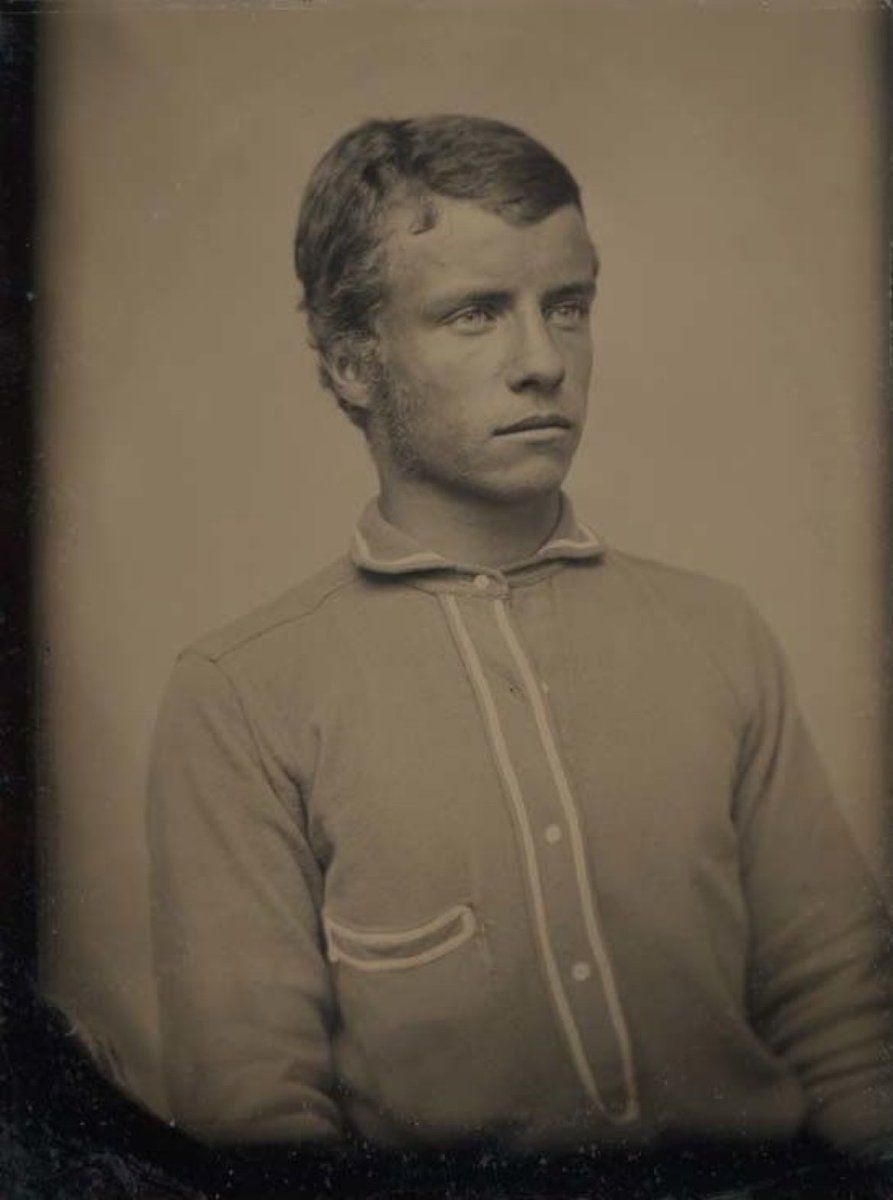
Roosevelt was a wheezing, asthmatic kid in New York City who could barely get through a bad night. He drove that weakness out of himself through years of boxing, lifting, and hard riding. On February 14, 1884, his mother died of typhoid fever in the morning and his wife died of kidney failure that afternoon, in the same house, two days after she had given birth to their daughter. He marked his diary that day with a single X and one line under it: “The light has gone out of my life.” Then he left the newborn with his sister, went west, and ran cattle in the Dakota Badlands, chasing down boat thieves and standing off bar-room toughs. He came back and worked as New York City Police Commissioner, then Assistant Secretary of the Navy, then governor of New York. When McKinley was assassinated in 1901, Roosevelt became president at forty-two, the youngest the country has ever had.
The Land
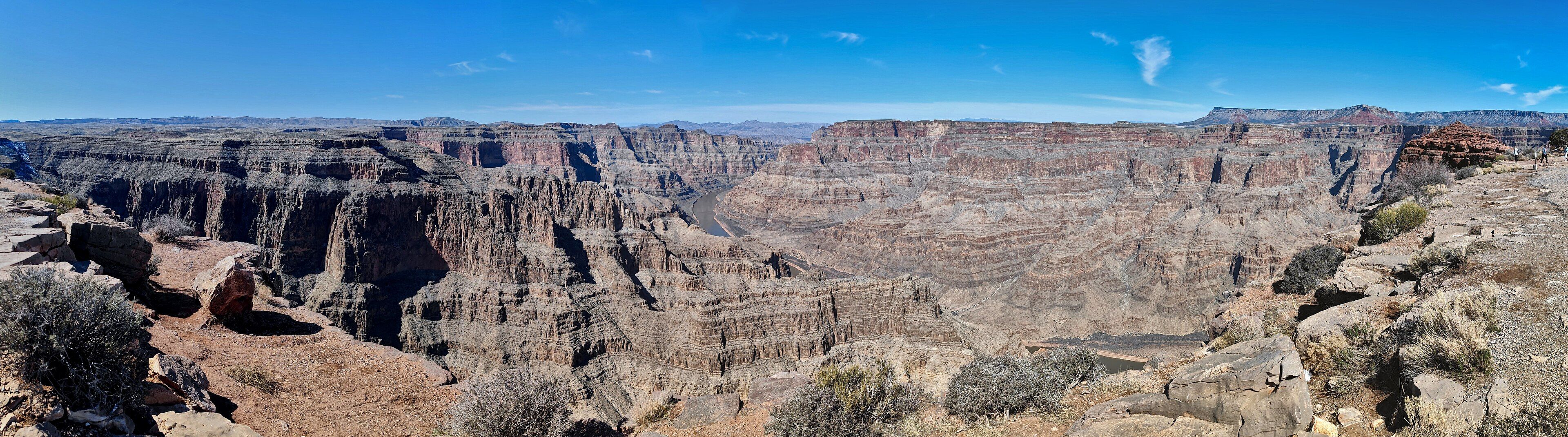
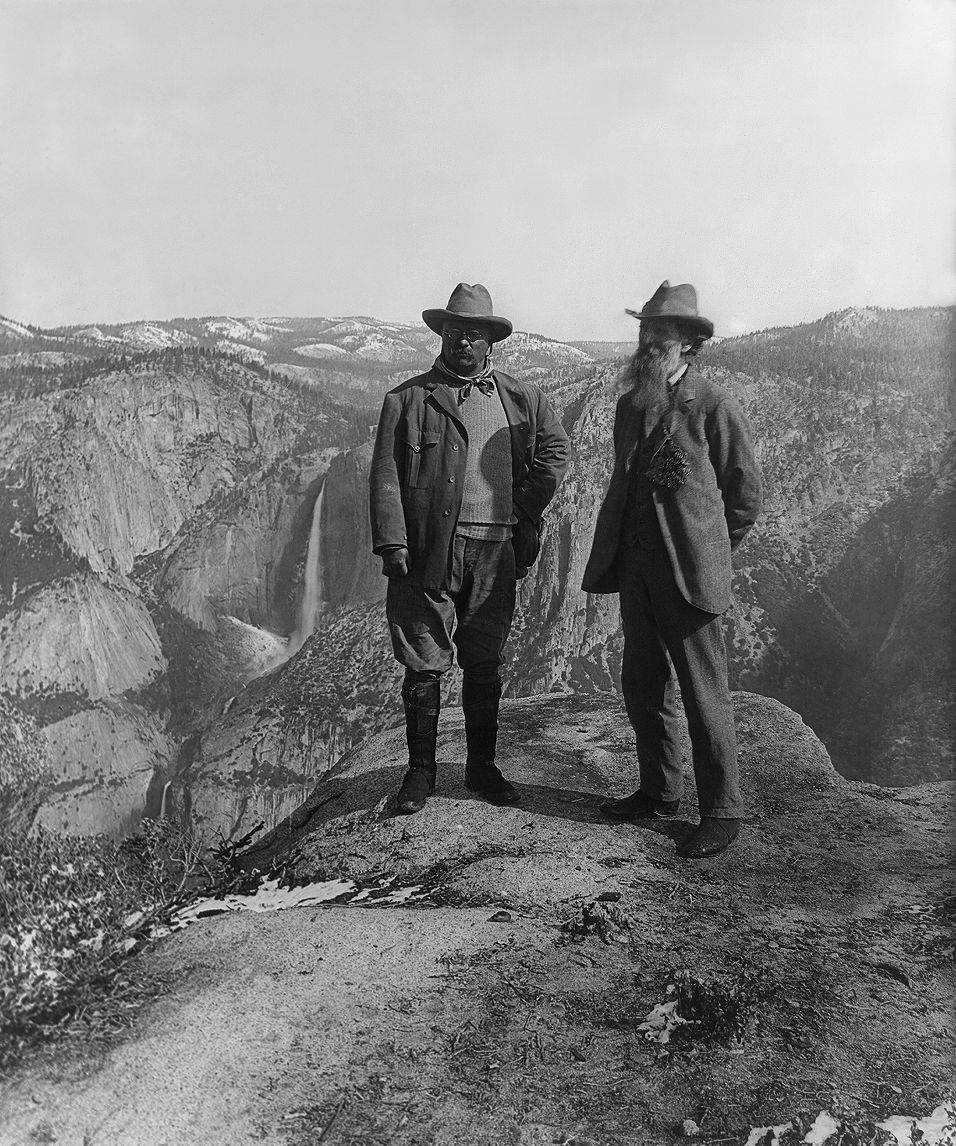
In not quite eight years, Roosevelt put roughly 230 million acres under federal protection. That is a block of country about the size of the entire East Coast from Maine to Florida. The breakdown: 150 national forests, 51 federal bird reservations, 18 national monuments, 5 national parks, and 4 national game preserves. The first bird reservation was a three-acre rookery called Pelican Island in Florida, which he created in 1903 by asking a single question about whether anything stopped him, and being told no.
Congress was slow and often hostile, leaning toward the timber and mining money. So Roosevelt signed the Antiquities Act of 1906, which let a president protect land by his own signature. The act was written to stop looters from stripping Native ruins in the Southwest. Roosevelt used it on a scale nobody had imagined. On September 24, 1906, he made the 1,152-acre Devils Tower in Wyoming the first national monument in the country. When Congress refused to make the Grand Canyon a national park because mining interests fought it, he declared more than 800,000 acres of the canyon a national monument and locked the commercial operators out. It became a park in 1919, the year he died.
He built the machine to run all of it. In 1905 he created the U.S. Forest Service and put his friend Gifford Pinchot in charge. The two of them believed in conservation as careful use, not roped-off wilderness, and they fought for it like it was a war, because politically it was. In 1907 Congress stripped his power to create new forest reserves in six western states and buried the clause in a funding bill he could not afford to veto. Roosevelt and Pinchot had a few days before the deadline. They spent them mapping. By executive order they created 21 new reserves and enlarged 11 more, locking up another 16 million acres before the pen hit the bill. The opposition called them the Midnight Forests. There was nothing anyone could do about it.
The root of all of it was the hunter in him. In 1887, sick of watching market shooters wipe out western game for hides and feathers, he and George Bird Grinnell founded the Boone and Crockett Club and built the idea of fair chase into American hunting. You can see exactly what that meant to him in a Mississippi canebrake in November 1902. His hosts wanted the president to get a bear, so the guide Holt Collier ran one down with hounds, clubbed it, roped it, and tied it to a tree for an easy shot. Roosevelt looked at the bound, beaten animal and refused to raise his rifle. Shooting a tethered bear was not hunting. A cartoonist named Clifford Berryman drew the scene, shrank the bear in later versions until it was a cub, and a toymaker turned that drawing into the teddy bear. He would not shoot a bear that was roped to a tree, and it made him a children’s toy.
The Rest of It
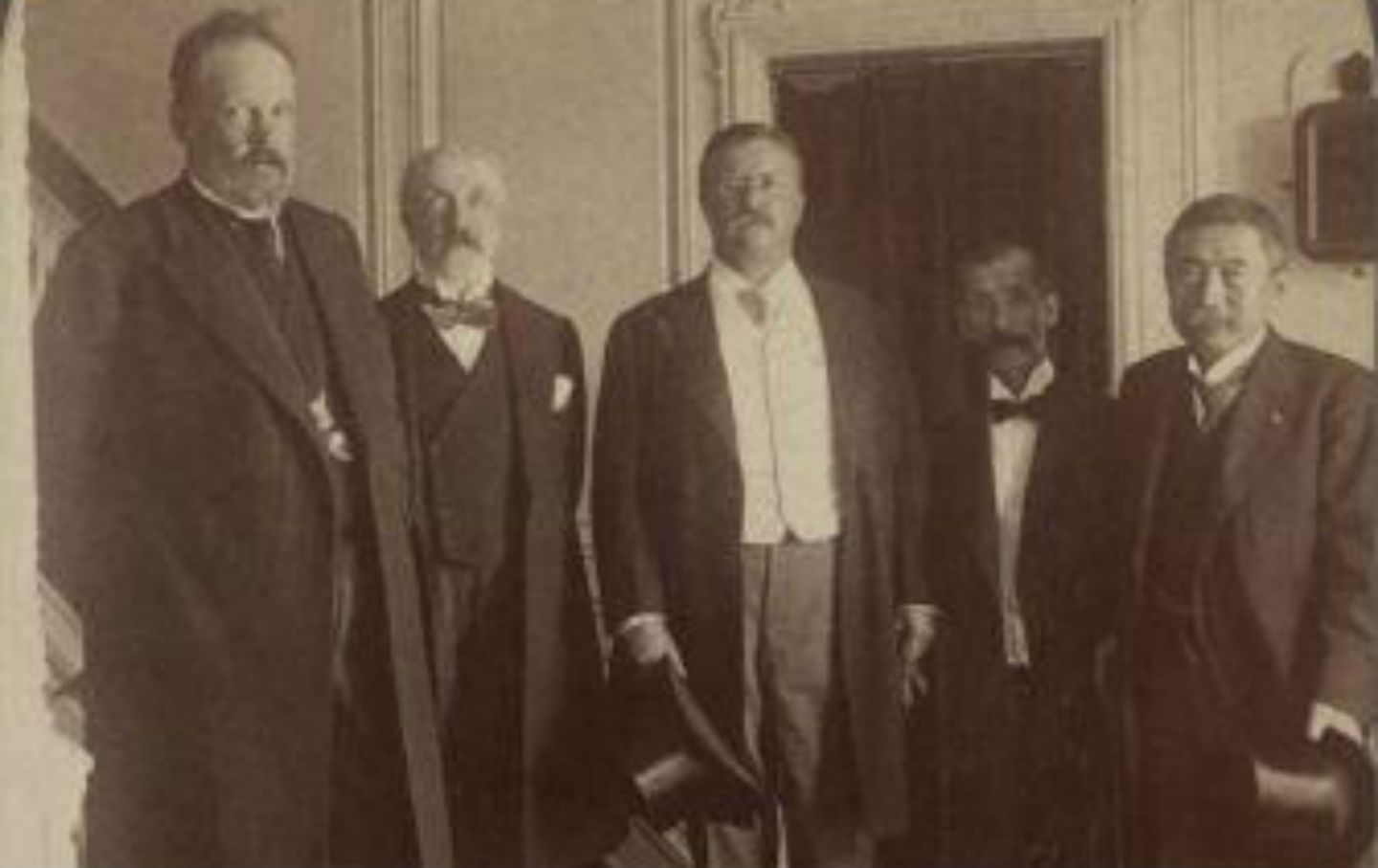
He became the first American to win the Nobel Peace Prize, in 1906, for ending the Russo-Japanese War and brokering the Treaty of Portsmouth. He believed a country ready to fight was the one most likely to keep the peace.
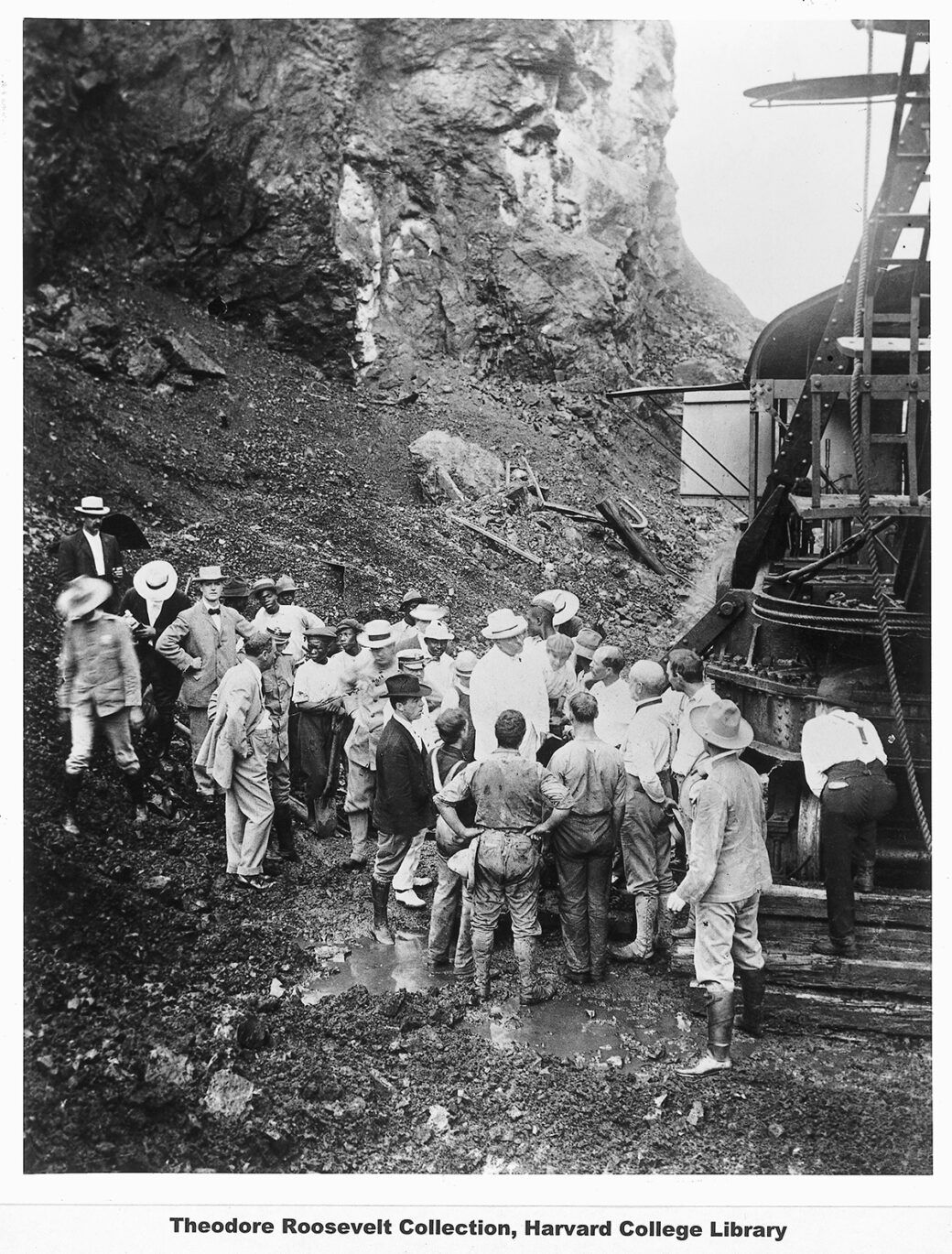
He wanted a canal across Panama for the Navy and for trade, and when Colombia balked at the terms in 1903, he backed a Panamanian revolt, sent the USS Nashville to keep Colombian troops from putting it down, recognized the new country, and got his canal zone. He never apologized for the method. Years later at Berkeley he said it plainly: “I took the Isthmus, started the canal, and then left Congress not to debate the canal, but to debate me.”
At home he ran his Square Deal. He used the Sherman Antitrust Act to break up monopolies he thought were strangling the country, including J.P. Morgan’s railroad combine. After Upton Sinclair’s The Jungle exposed what was going into American food, Roosevelt forced through the Pure Food and Drug Act and the Meat Inspection Act of 1906, which is why anyone trusts a label today. And he sent sixteen white battleships, the Great White Fleet, around the world from 1907 to 1909, so that every other navy could see exactly what the United States now was.
He was a serious rifleman through all of it, even after a boxing match in the White House cost him the sight in his left eye. His favorite American big-game rifle was the Winchester Model 1895 in the heavy .405, which he called his “medicine gun” for lions. For Africa he commissioned a Holland & Holland double rifle in .500/.450 Nitro Express and called it the Big Stick.
Africa and the River
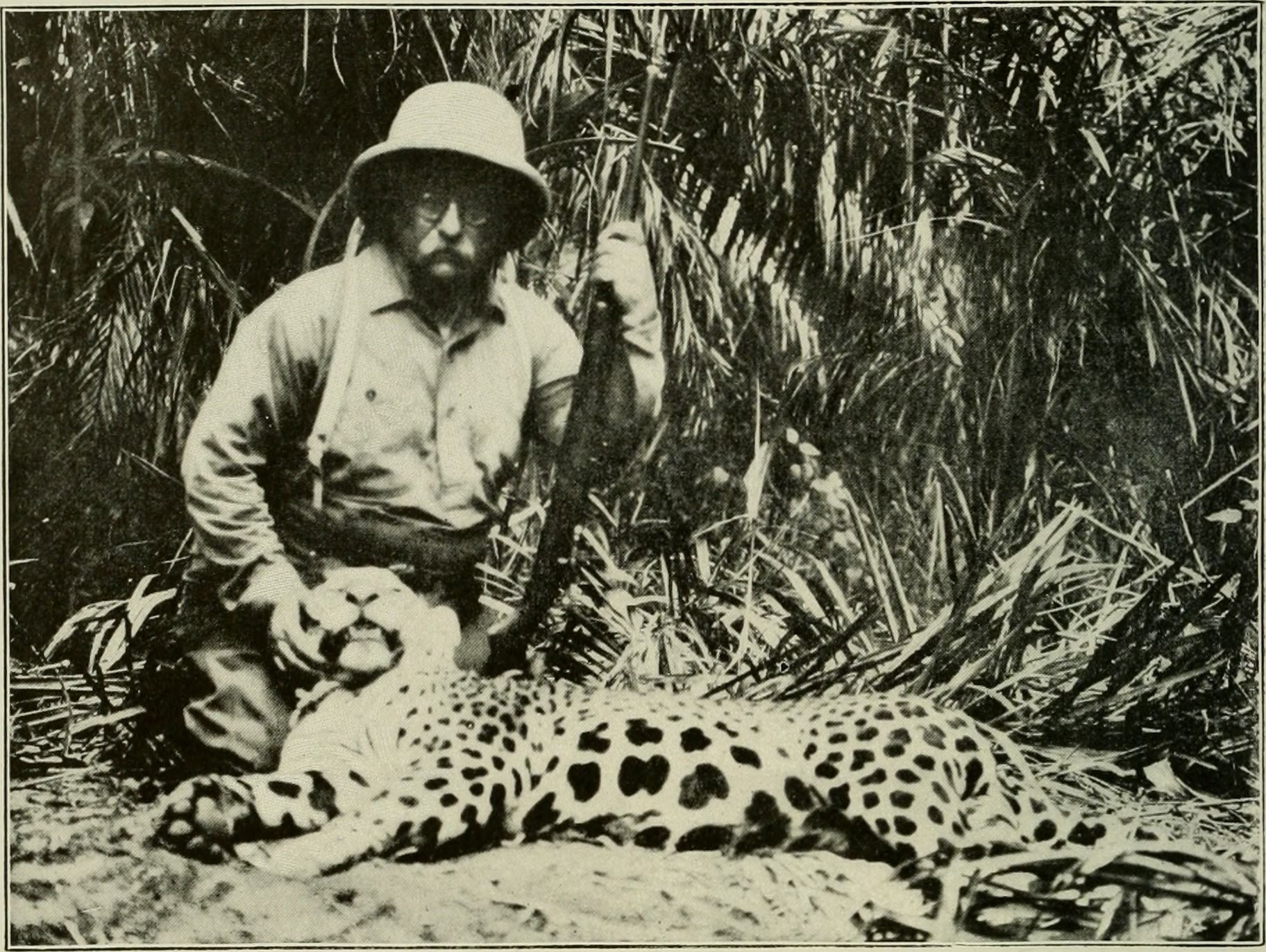
Three weeks after he handed the presidency to Taft, the fifty-year-old Roosevelt sailed for Africa.
It was a scientific expedition for the Smithsonian’s new natural history museum, paid for by Andrew Carnegie and by Roosevelt’s own book contracts. The column ran to more than 250 porters and guides hauling tons of salt for preserving hides, plus the crates of books he could not travel without. His nineteen-year-old son Kermit left Harvard to come along as photographer and second gun. The two of them took 512 big-game animals between them. The full haul shipped back to Washington came to more than 23,000 natural history specimens, around 11,400 of them animals, and it took Smithsonian naturalists eight years to catalog. When critics went after the kill count, Roosevelt did not flinch: condemn me, he said, only if you are ready to condemn every natural history museum in the country.
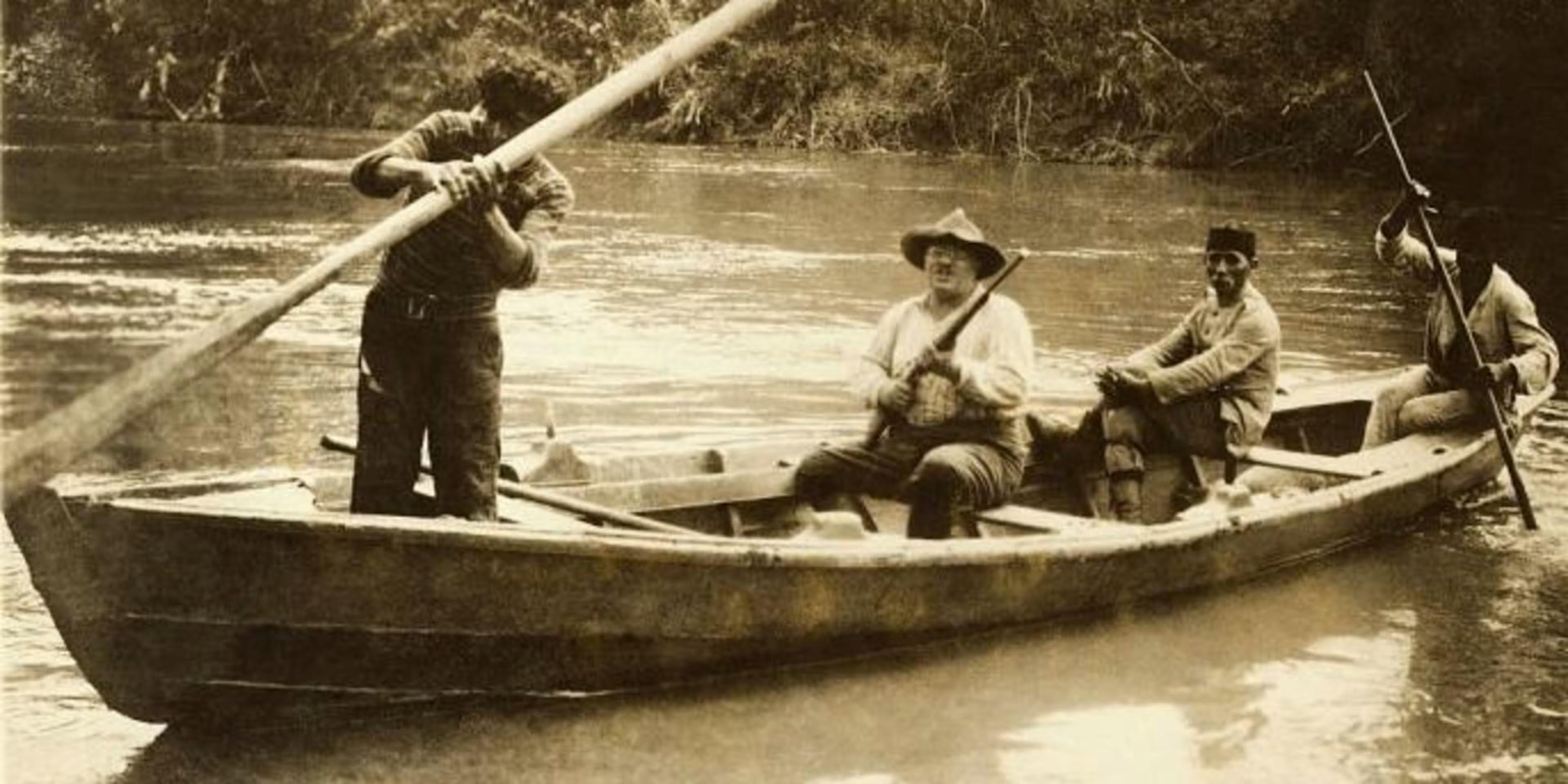
He could not sit still. In 1913, beaten in the election, he went looking for a last frontier and found it on an unmapped Amazon river the Brazilians called the River of Doubt. He went down it with the explorer Cândido Rondon and the naturalist George Cherrie. It nearly killed all of them. The canoes shattered in the rapids, three men died, and the party starved down to scavenged nuts and palm hearts. Roosevelt smashed his leg on a rock, the wound went septic, malaria put his fever to 105, and he carried a lethal dose of morphine for the moment he became a burden. When that moment came and he asked to be left in the jungle so the rest could move faster, Kermit refused to leave him. They carried him out. He came home having lost more than fifty pounds, with his health permanently broken, and the river was renamed the Rio Roosevelt. The Amazon is most of the reason he was dead by sixty.
He carried Schrank’s bullet in his chest until he died in his sleep at sixty, still writing, still picking fights with men he thought were wrong. The charge in Cuba was a single afternoon near the start of all of it. It is the one piece most people remember.
Hard to Kill. Forever Free.
Related Posts

In 1905, on Samar, a soldier fired four rounds into a prisoner at point-blank range. Three went through the lungs. The man kept fighting. The revolver was a .38, and the Army had traded away its .45 to get it. This is how the Philippines forced that lesson back, and how the road ended at the M1911.

On July 1, 1898, Captain Grimes opened fire on the Spanish lines outside Santiago. Within forty-five minutes the enemy had used his own smoke as an aiming point and shut his battery down. This is why American artillery was firing half-blind, and how the beating in Cuba built the fire control we take for granted now.

As America marks its Semiquincentennial, we honor the unbreakable spirit of the American Warrior, from Revolutionary War legends like Francis Marion to today's modern fighters. Join Swampfox as we launch a bold campaign through July 4th, featuring limited edition drops, untold stories, and the grit that forged a nation.

A Colorado company, born on the 4th of July, 2018
Helpful Links

Join the Revolution
Join our e-mail newsletter for giveaways, hot deals, and Swampfox news.
©2026 Swampfox Optics. All rights reserved.
Designed and powered by WebriQ.