TEST BLOG

12/09/2025

Shooter dialing in gear and preparing at the range

Range-ready confidence

Dialing In Your Setup: Building a Rifle You Trust

There’s a big difference between a rifle that simply works and a rifle you genuinely trust. A trusted setup feels like an extension of you: it mounts naturally, tracks smoothly, and lets you focus on the shot instead of your gear. Whether you’re getting ready for a match, a class, or just a weekend range session, taking the time to intentionally build and refine your setup pays off every time you press the trigger.

In this post, we’ll walk through the core elements of a solid rifle configuration, highlight small details that make a huge difference, and show a few examples of how your gear can come together in a clean, functional way.

Start With a Clear Purpose
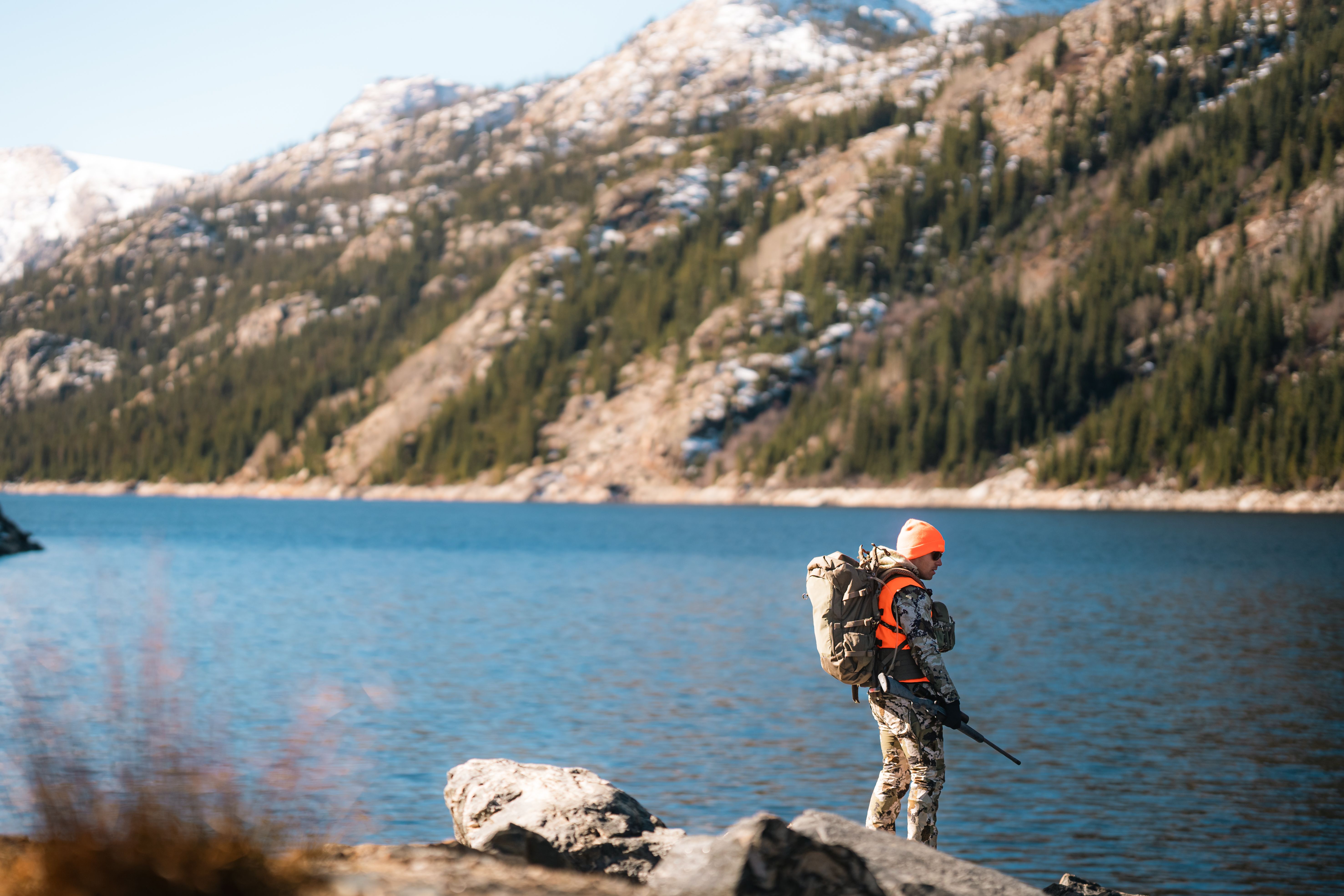
Shooter aiming rifle with optic at an outdoor range

Before you start swapping parts or adding accessories, ask a simple question: What is this rifle for? A competition rifle, a home-defense carbine, and a general-purpose training setup all place slightly different demands on your optics, mounts, sling, and even your zero distance.

Once you define the mission, decisions get easier. For example, a home-defense focused rifle might prioritize:

  • Fast target acquisition at close range
  • Simple, intuitive controls that work under stress
  • Reliable performance in less-than-ideal lighting

On the other hand, a rifle meant for training and extended range days may lean more toward durability, glass clarity, and flexibility across different distances. Both can use similar gear, but the way you prioritize features will change.

“The gear that fits your purpose best is rarely the flashiest — it’s the setup that lets you focus on fundamentals and makes good habits easy to repeat.”

Optics, Mounts, and Your Line of Sight

Your optic and mount combination is the heart of the rifle’s aiming system. It’s not just about picking something that looks good in photos — it’s about creating a sight picture that is fast, repeatable, and comfortable for you.

When dialing in your optic:

  • Confirm your height over bore: The optic should sit at a height that lets you get a natural, upright head position instead of hunting for the glass.
  • Check eye relief and eye box: You should be able to move naturally behind the rifle and still get a full, clear sight picture without strain.
  • Lock in your zero and document it: Record your zero distance, ammo, and conditions. Make it easy to repeat or diagnose changes later.
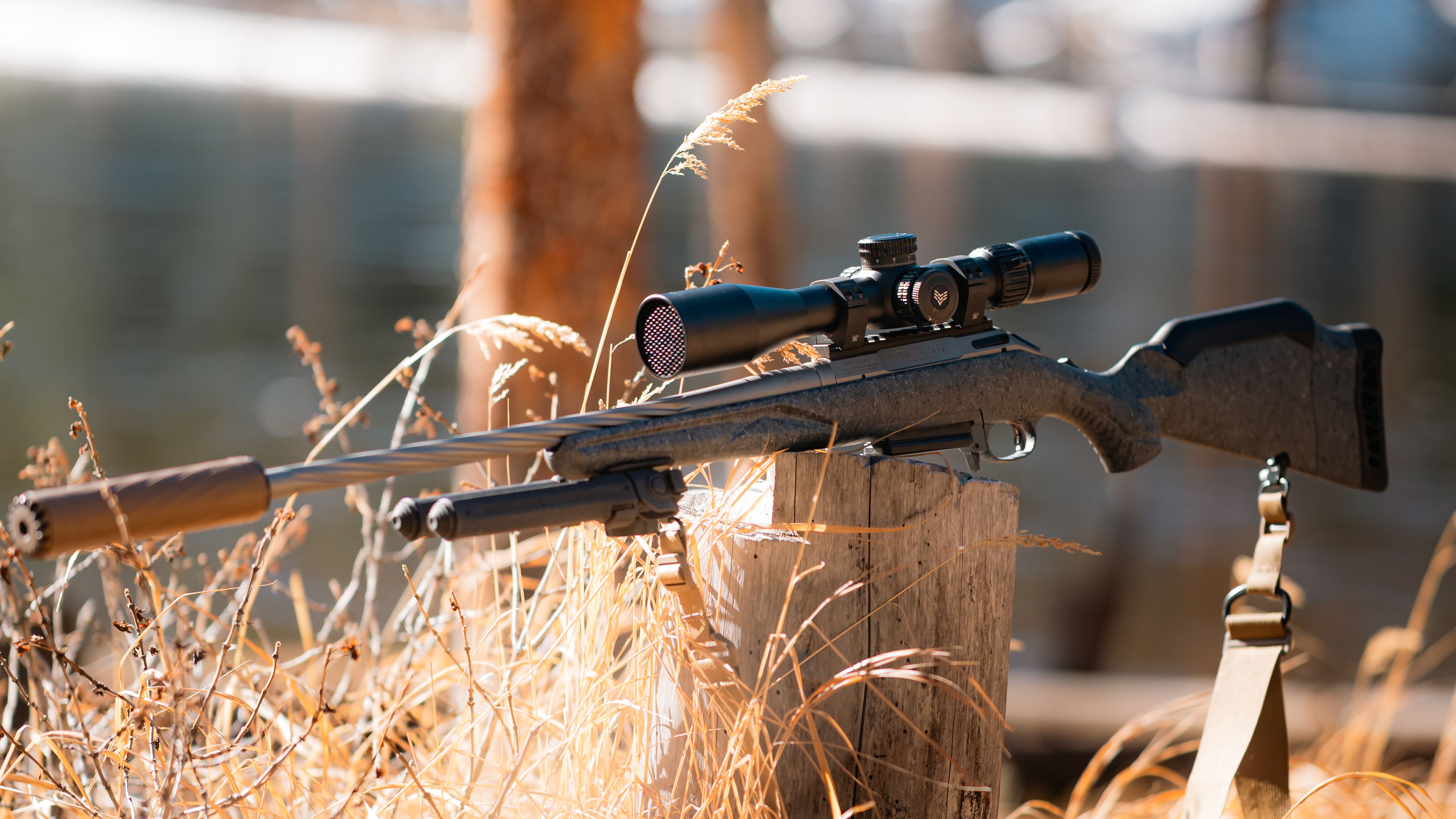
Rifle setup on a bench with optic and accessories

A clean, balanced rifle setup makes it easier to get consistent, repeatable performance at the range.

Managing Weight, Balance, and Controls

Shooter working rifle controls during live fire practice

As you add lights, bipods, slings, and other accessories, it’s easy for a rifle to start feeling front-heavy or cluttered. Every part you bolt on should earn its place. When in doubt, keep it simple and prioritize how the rifle handles.

Pay attention to:

  • Balance: The rifle should not feel like it wants to tip forward when you mount it quickly from low ready.
  • Controls: Safety, charging handle, and mag release should all be accessible without breaking your grip or changing your shoulder.
  • Sling setup: A properly adjusted sling supports the rifle between reps, instead of fighting you while you move.

Small tweaks — moving a light a few slots back, raising or lowering your optic slightly, or fine-tuning sling length — can make the difference between a rifle that feels “okay” and one that mounts and runs naturally every time.

Visualizing Different Setups

Below is a simple visual comparison: two different perspectives using the same core rifle concept. One emphasizes a broader overview of the setup, while the other focuses more tightly on the shooter behind the gun.

Wide shot of rifle, gear and range environment
A wider shot that showcases the overall rifle, optic, and environment — ideal for explaining complete setups.
Close-up of shooter taking a shot
A tighter, more dynamic angle that highlights how the shooter interacts with the rifle under recoil.

Building Confidence Through Reps

No amount of gear can replace time on the range. Once your setup is dialed in, the real work is simply putting rounds downrange with intention. Work from stable positions to confirm zero, then start layering in movement, transitions, and different lighting conditions.

Document what you change and what you learn each time you train. Over a few sessions, you’ll start to see clear patterns: which sling adjustments feel best, which optic settings you naturally prefer, and how your rifle behaves as you push speed and distance.

Final Thoughts

A trusted rifle setup isn’t built overnight. It’s the result of thoughtful choices, honest range time, and a willingness to tweak the small details until everything just clicks. Start with a clear purpose, choose gear that supports that purpose, then go prove it at the range.

When your rifle mounts the same way every time, your optic gives you a clean, immediate sight picture, and your controls work without conscious thought — that’s when your gear finally gets out of the way and lets you focus on what really matters: making the shot.

Shooter dialing in gear and preparing at the range

Range-ready confidence

Dialing In Your Setup: Building a Rifle You Trust

There’s a big difference between a rifle that simply works and a rifle you genuinely trust. A trusted setup feels like an extension of you: it mounts naturally, tracks smoothly, and lets you focus on the shot instead of your gear. Whether you’re getting ready for a match, a class, or just a weekend range session, taking the time to intentionally build and refine your setup pays off every time you press the trigger.

In this post, we’ll walk through the core elements of a solid rifle configuration, highlight small details that make a huge difference, and show a few examples of how your gear can come together in a clean, functional way.

Start With a Clear Purpose

Shooter aiming rifle with optic at an outdoor range

Before you start swapping parts or adding accessories, ask a simple question: What is this rifle for? A competition rifle, a home-defense carbine, and a general-purpose training setup all place slightly different demands on your optics, mounts, sling, and even your zero distance.

Once you define the mission, decisions get easier. For example, a home-defense focused rifle might prioritize:

  • Fast target acquisition at close range
  • Simple, intuitive controls that work under stress
  • Reliable performance in less-than-ideal lighting

On the other hand, a rifle meant for training and extended range days may lean more toward durability, glass clarity, and flexibility across different distances. Both can use similar gear, but the way you prioritize features will change.

“The gear that fits your purpose best is rarely the flashiest — it’s the setup that lets you focus on fundamentals and makes good habits easy to repeat.”

Optics, Mounts, and Your Line of Sight

Your optic and mount combination is the heart of the rifle’s aiming system. It’s not just about picking something that looks good in photos — it’s about creating a sight picture that is fast, repeatable, and comfortable for you.

When dialing in your optic:

  • Confirm your height over bore: The optic should sit at a height that lets you get a natural, upright head position instead of hunting for the glass.
  • Check eye relief and eye box: You should be able to move naturally behind the rifle and still get a full, clear sight picture without strain.
  • Lock in your zero and document it: Record your zero distance, ammo, and conditions. Make it easy to repeat or diagnose changes later.
Rifle setup on a bench with optic and accessories

A clean, balanced rifle setup makes it easier to get consistent, repeatable performance at the range.

Managing Weight, Balance, and Controls

Shooter working rifle controls during live fire practice

As you add lights, bipods, slings, and other accessories, it’s easy for a rifle to start feeling front-heavy or cluttered. Every part you bolt on should earn its place. When in doubt, keep it simple and prioritize how the rifle handles.

Pay attention to:

  • Balance: The rifle should not feel like it wants to tip forward when you mount it quickly from low ready.
  • Controls: Safety, charging handle, and mag release should all be accessible without breaking your grip or changing your shoulder.
  • Sling setup: A properly adjusted sling supports the rifle between reps, instead of fighting you while you move.

Small tweaks — moving a light a few slots back, raising or lowering your optic slightly, or fine-tuning sling length — can make the difference between a rifle that feels “okay” and one that mounts and runs naturally every time.

Visualizing Different Setups

Below is a simple visual comparison: two different perspectives using the same core rifle concept. One emphasizes a broader overview of the setup, while the other focuses more tightly on the shooter behind the gun.

Wide shot of rifle, gear and range environment
A wider shot that showcases the overall rifle, optic, and environment — ideal for explaining complete setups.
Close-up of shooter taking a shot
A tighter, more dynamic angle that highlights how the shooter interacts with the rifle under recoil.

Building Confidence Through Reps

No amount of gear can replace time on the range. Once your setup is dialed in, the real work is simply putting rounds downrange with intention. Work from stable positions to confirm zero, then start layering in movement, transitions, and different lighting conditions.

Document what you change and what you learn each time you train. Over a few sessions, you’ll start to see clear patterns: which sling adjustments feel best, which optic settings you naturally prefer, and how your rifle behaves as you push speed and distance.

Final Thoughts

A trusted rifle setup isn’t built overnight. It’s the result of thoughtful choices, honest range time, and a willingness to tweak the small details until everything just clicks. Start with a clear purpose, choose gear that supports that purpose, then go prove it at the range.

When your rifle mounts the same way every time, your optic gives you a clean, immediate sight picture, and your controls work without conscious thought — that’s when your gear finally gets out of the way and lets you focus on what really matters: making the shot.

Advanced Build Planner & Range Log

If you really want to squeeze everything out of your setup, treat your rifle like a long-term project instead of a one-time purchase. This advanced section gives you a structured way to track configuration changes, compare builds, and log every range session — all inside a single HTML block.

Checklist

Pre-Range Configuration Checklist

Run through this every time you head to the range to keep your rifle consistent and predictable.

  • Confirm optic is torqued and witness marks are intact.
  • Verify mount and rail screws are tight and properly seated.
  • Check zeroed ammo type matches what you packed in your mags.
  • Inspect sling attachment points and test for full range of motion.
  • Confirm light settings and switch placement from both shoulders.
  • Note any recent changes (stock position, grip, trigger, etc.).
Reference

Optic Zero Reference Table

Use this mini “dope card” to remember how your zero and holds change between different loads or roles.

Role Zero Dist. Load Offset @ 10 yd Notes
Home / CQB 36 yd 55gr FMJ ~2.0" low Center chest – hold high at contact distance.
General Purpose 50 yd 62gr Duty ~1.8" low Flat enough to 200 yd with minor holds.
Match / Training 100 yd 69gr OTM ~2.3" low Record verified holds for each stage layout.
36 / 50 / 100 Height over bore Holdovers
Template

Single-Day Training Plan

Shooter running a live fire drill with rifle

Plug this directly into your session notes so every range trip feeds back into your long-term skill curve.

  1. Confirm Zero: 5–10 slow-fire rounds at your primary zero distance from a stable position. Record any adjustments made.
  2. Baseline Drill: Simple, repeatable drill (e.g., 1–5 from low ready) that you run every session for time and hits.
  3. Focus Block: Choose one priority (transitions, movement, positional work) and build 3–4 focused strings around it.
  4. Pressure Block: Add a timer, partial targets, or awkward positions to stress-test your current setup decisions.
  5. Debrief: Note what felt slow, what snagged, and which gear changes helped or hurt performance.
Copy-paste session notes template
[SESSION]
Date:
Range:
Weather / Lighting:

[RIFLE CONFIG]
Upper / Barrel:
Optic + Mount:
Zero Distance:
Ammo:
Notable Changes Since Last Session:

[DRILLS]
1) Zero Confirmation:
   - Distance:
   - Group Size (best / average):
   - Adjustments:

2) Baseline Drill:
   - Description:
   - Best Time (clean):
   - Average Time:
   - Notes:

3) Focus Block:
   - Skill Focus:
   - Setup / Target Distances:
   - Key Takeaways:

4) Pressure Block:
   - Stress Added (timer, position, etc.):
   - Most Common Miss:
   - Gear Interference (if any):

[AFTER ACTION]
What worked well:
What slowed me down:
Gear changes to test next time:
Metrics to re-test next session:
Experimental

HTML-Only Rifle Data Lab

This block simulates a mini “data dashboard” for your rifle setup using nothing but HTML and CSS. No scripts, no builders — just an HTML block pushing layout, typography, and styling to the max.

Live configuration view
HTML-only Responsive Data-ready
Key metrics
Primary rifle
92
Rounds
Fired this session — keep logs consistent for barrel life and reliability tracking.
Optic confidence 84%
Zero stability 91%
Handling balance 78%

Tip: Any metric you track in a spreadsheet can be visually mocked up here for screenshots, docs, or product pages.

Session flow
Zero → Pressure
  • Phase 01
    Zero confirmation

    10 rounds at 50 yd from prone on paper. Logged a 0.3 MIL adjustment and confirmed with a 5-shot group.

  • Phase 02
    Baseline drill

    1–5 drill at 15 yd, shot from low ready. Average clean time at 3.15 s, best clean run 2.92 s.

  • Phase 03
    Pressure block

    3-position stage with movement and partial targets. Noted strong-side transitions were smooth, weak-side entries need work.

  • Phase 04
    Debrief & gear notes

    Light activation stayed consistent; sling slightly long when exiting right side cover. Next session: reduce sling length by 1" and re-test.

Config snapshot
Read-only
RIFLE.CONFIG
LPVO 5.56
{
  "profile": "general-purpose",
  "optic": {
    "model": "Warhorse 1-6x",
    "mount_height": "1.93 in",
    "zero_distance_yd": 50
  },
  "ammo": {
    "caliber": "5.56",
    "load": "62gr duty",
    "zero_temp_F": 70
  },
  "controls": {
    "stock_position": 4,
    "sling": "2-point, QD",
    "light": "12 o'clock, tape switch"
  },
  "last_session": {
    "rounds": 92,
    "avg_hit_factor": 4.7,
    "notes": "Sling length slightly long on weak side entries."
  }
}
Logo

A Colorado company, born on the 4th of July, 2018

Join the Revolution

Join our e-mail newsletter for giveaways, hot deals, and Swampfox news.

©2025 Swampfox Optics. All rights reserved.

Designed and powered by WebriQ.