
9mm Grain Weight Explained: 115 vs 124 vs 147
06/16/2026

Same pistol. Same point of aim. Same zero you confirmed last week. You swap from your usual 115 grain range ammo to the 124 grain defensive load sitting in your carry mag, and your group walks off the bullseye. Nothing about the gun changed. The bullet did.
A grain is the unit we use to measure the weight of that bullet. There are about 7,000 of them in a pound, and the unit is old enough that it started as literal seeds of grain used as a counterweight back in the Bronze Age. That is the easy part. The why behind picking one weight over another is where it gets interesting.
THE CONTENDERS
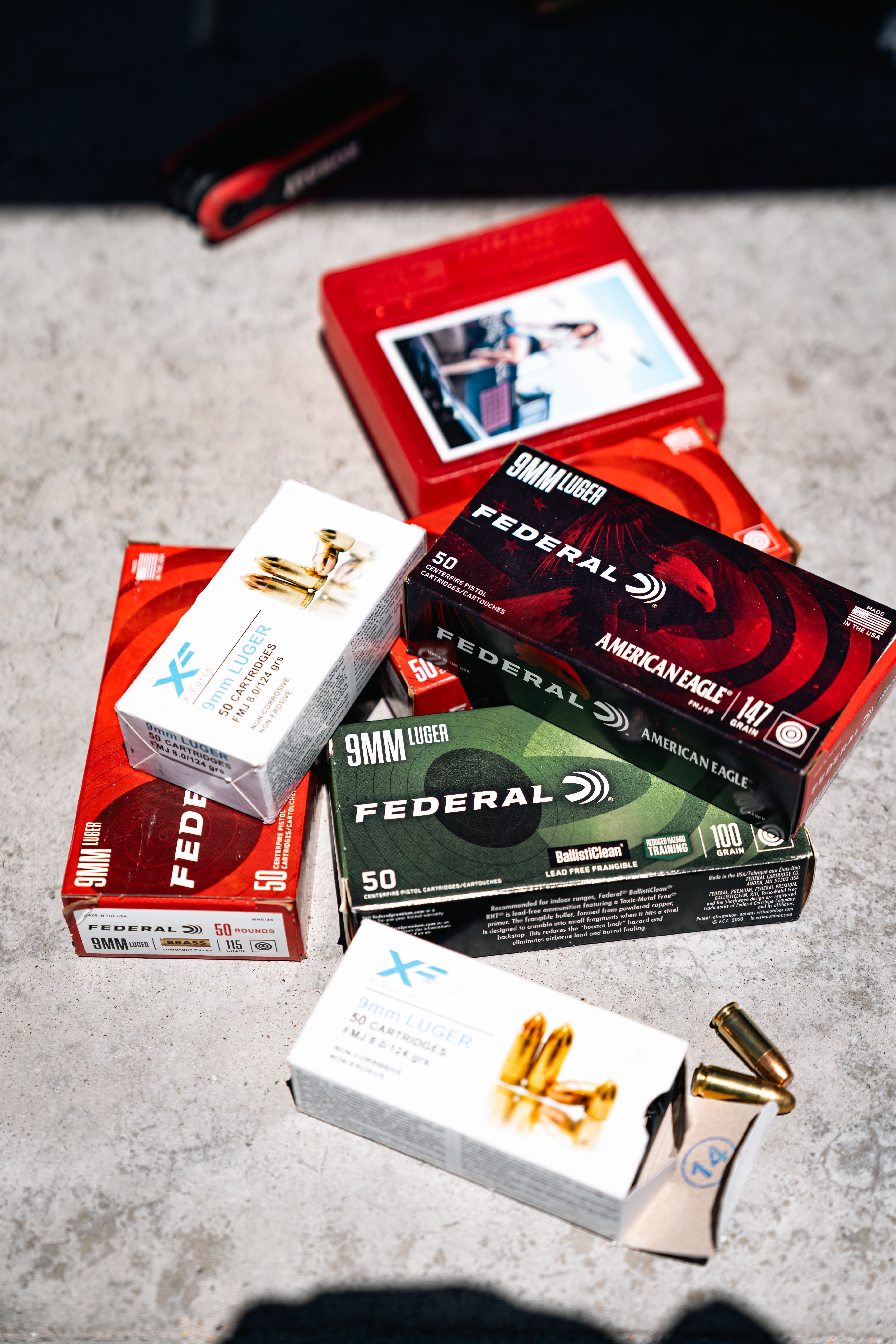
Anyone with a press can load any weight bullet into any case they please. We are sticking to what you will actually find on a shelf, which in 9mm comes down to a handful of common factory weights:
- 50 grain and similar ultralight defensive loads
- 100 grain frangible
- 115 grain, the standard cheap range round
- 124 grain, the middleweight
- 147 grain, the heavyweight
Each one does something different once it leaves the barrel. Start with where it lands.
GRAIN WEIGHT MOVES YOUR POINT OF IMPACT

We ran this on a 16 inch 9mm PCC locked to a tripod, zeroed with 115 grain, then sent five round groups of everything else at the same point of aim out at 50 yards. The lighter the bullet, the higher it printed. The heavier the bullet, the lower it dropped. The 50 grain rounds landed highest, the 147s lowest, and everything in between stacked up in weight order.
Before you write that down as law, understand what you are looking at. That PCC was bolted to a tripod, which takes recoil and muzzle movement almost entirely out of the equation, and we were shooting far enough that bullet drop had room to show up. What you are seeing there is mostly trajectory. The lighter, faster bullets shoot flatter and have dropped less by 50 yards than the slower, heavier ones.
Put the same ammo through a handheld pistol up close and the result can flip. A heavier bullet spends more time in the barrel before it exits, and while it is still in there, recoil is already lifting the muzzle. The slower round leaves the barrel pointed a hair higher and prints higher on paper. This is the same reason fixed-sight revolvers are often regulated for one specific bullet weight. Change the weight, change where the gun shoots.
The point underneath both of those is the same. Different grain weights hit different places, and your optic only knows the zero you gave it. If you sight your red dot in with cheap 115 grain at the range and load 124 grain for carry, your dot is not actually zeroed for the round you would stake your life on. Confirm your zero with the ammo you intend to run. The gun does not care about your intentions, and the dot cares even less.
THE VELOCITY TRADEOFF
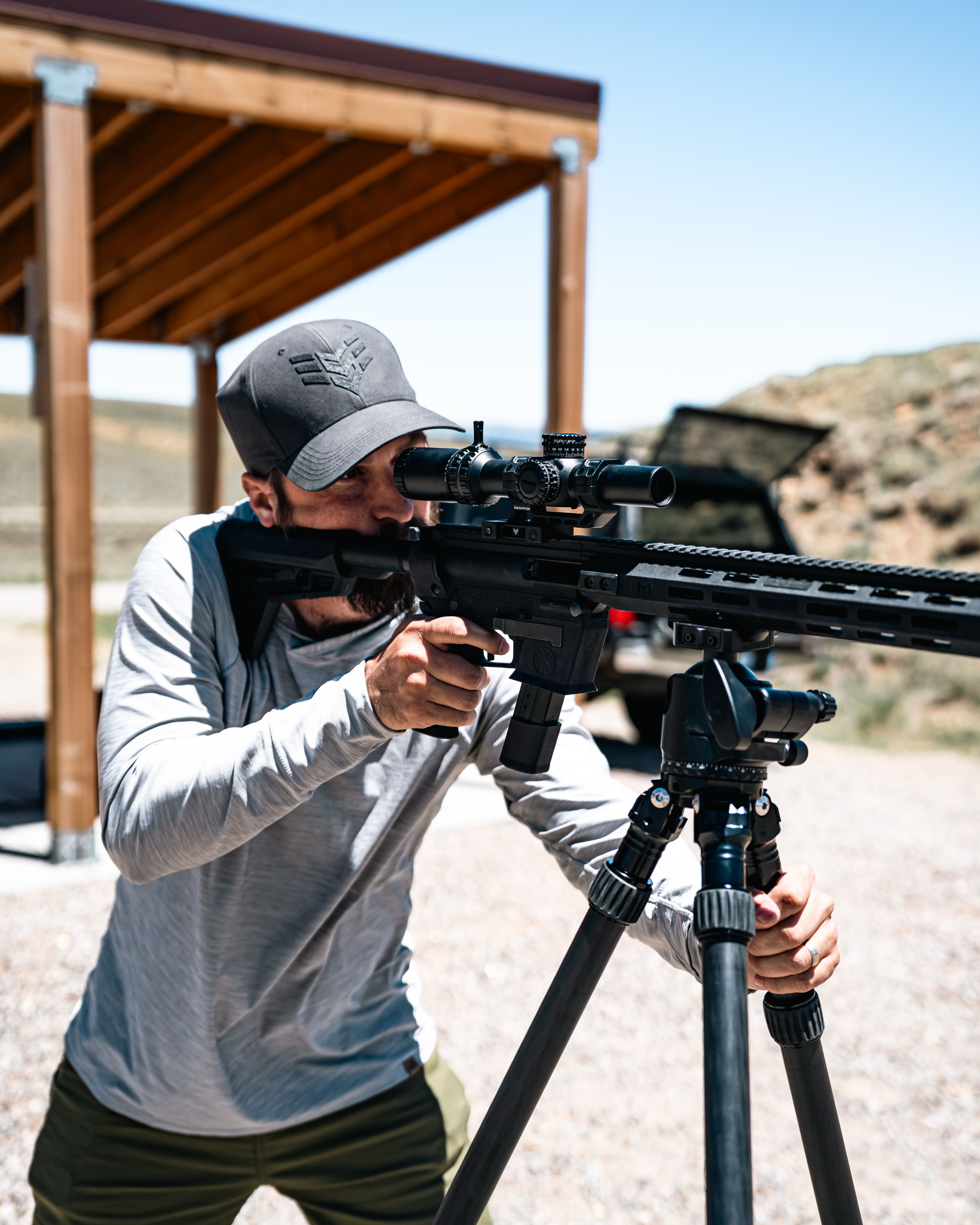
Most of a bullet's terminal performance comes from velocity, and velocity comes from barrel length. Picture a commercial airliner. Most major runways run about 10,000 feet, plenty of room for a heavy jet to build up the speed it needs to fly. Now drop that same jet onto a 3,000 foot bush strip. It runs out of room before it ever gets going.
Your barrel is the runway and the bullet is the jet. A long PCC barrel gives a heavy 147 grain bullet all the room it needs to get up to speed. A sub-compact carry pistol with a 3 inch barrel does not, and a heavy bullet can leave the muzzle before it ever hits its stride. Lighter bullets are easier to get moving quickly, so they tend to make better use of a short barrel. That is the entire logic behind ultralight defensive loads built for pocket guns: less mass to push means more speed out of less barrel.
RECOIL AND DOT RETURN
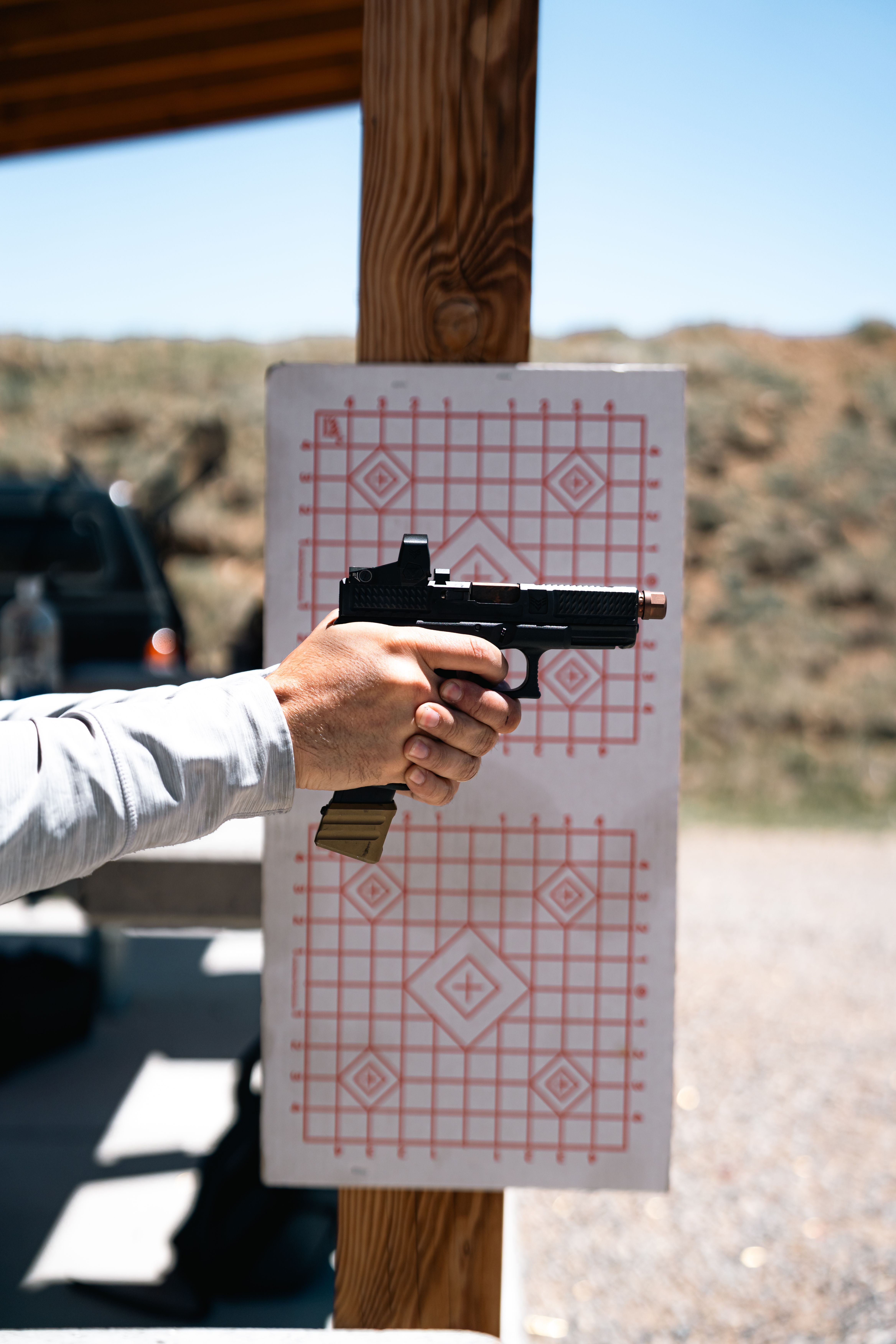
Conventional wisdom says lighter bullets recoil less. Reality is messier. Felt recoil is a function of momentum, how much powder is sitting behind the bullet, and how the gun is built, not weight by itself. When we measured muzzle flip across the lineup, the numbers refused to line up neatly by weight. The featherweight 50 grain defensive load actually flipped harder than the 100 and 124 grain rounds, because it is a hot, high-pressure cartridge running well above the velocity of a lazy target load.
The more useful way to think about it is character rather than amount. Heavier subsonic loads tend to feel like a steady push. Lighter, faster loads tend to feel like a sharper snap. Neither is automatically better, and which one lets you get your dot back on target fastest depends as much on the gun and your grip as it does on the bullet. Plenty of competition shooters run heavy subsonic loads for exactly that flatter push, because it helps the dot settle faster between shots.
AFFORDABILITY AND AVAILABILITY
115 grain is the cheapest 9mm you can buy and the easiest to find, which is why it is the default for a heavy round-count day. When the goal is trigger time, it is 115 all the way. Step away from the 115 and 124 grain middle of the bell curve and prices climb while shelves thin out. Specialty stuff like frangible, subsonic match, and premium defensive loads costs more and moves faster, so stock up when you find what your gun likes.
PICK YOUR WEIGHT BY THE JOB
None of this tells you which box to buy. That depends entirely on what you are doing with it.
50 grain and other ultralight defensive loads. Built to leave a short barrel fast. The tradeoff is the long-running debate over whether very light, very fast projectiles penetrate deeply enough and hold together the way heavier defensive bullets do. We are not going to settle that here. If you are choosing a carry load, look at independent gel testing for that specific load and your specific gun rather than taking anyone's word for it, ours included.
100 grain frangible. Designed to come apart when it hits something hard instead of skipping back at you. That makes it the round of choice for close-range steel, and it is popular in Steel Challenge, where scoring does not care about power factor so there is no reason to shoot anything heavier or hotter than you have to.
115 grain. Cheap, soft, available. The practice and volume round. Nothing fancy, and it does not need to be.
124 grain. The balance pick. Heavy enough to carry energy, light enough to still move with authority, and reliable in guns that get finicky feeding lighter loads. It is the weight a lot of shooters treat as the default 9mm defensive standard, and a number of proven duty loads live right here.
147 grain. The heavyweight. Almost always subsonic, which makes it the quietest option behind a suppressor since the bullet never breaks the sound barrier. Competitors like it because the extra mass lets them make power factor at a lower, softer-shooting velocity, which is part of why it turns up so often in Carry Optics. The added weight also gives it an edge for punching through barriers or dealing with animals.
THE BOTTOM LINE
There is no best grain weight. There is the right weight for the job in front of you, and a wrong one if you pick without thinking about it. Light and fast for short barrels and steel. Cheap and middling for volume. Heavy and quiet for suppressors and the timer. Pick the weight that fits what you are actually doing.
Then go confirm your zero with it. Your dot will hold whatever zero you give it, faithfully, including the wrong one.
FAQ
Does grain weight affect accuracy?
Not the way people mean. A heavier or lighter bullet is not inherently more accurate. What matters is whether your specific gun likes a specific load. Barrel, twist rate, and the load itself all factor in, and the only way to know is to shoot a few different weights and brands and see what groups.
Why does my point of impact change when I switch ammo?
Different bullet weights leave the barrel at different velocities and at slightly different points in the gun's recoil cycle, so they print in different places even with the same point of aim. Re-confirm your zero any time you change loads.
Is 115 or 124 grain better?
For cheap practice, 115. For defense, a lot of shooters lean 124 for the balance of velocity and energy, and because some guns run it more reliably. Neither is wrong. They are built for different jobs.
What grain weight should I use for a red dot pistol?
The same answer as iron sights: zero the dot with the exact load you plan to carry or compete with. The dot does not change how grain weight affects point of impact. It just makes the shift easier to see.
Is heavier 9mm better for self-defense?
Heavier subsonic loads penetrate well and run quiet, while lighter loads chase velocity out of short barrels. Both camps have well-regarded defensive loads. Choose based on independent terminal testing for your specific gun and barrel length rather than weight alone.
Related Posts

By the most recent USPSA figures, Carry Optics now accounts for roughly 37% of all division activity, more than Limited Optics, Open, PCC, and Production combined. If you are coming to your first match or building a CO rig for 2026, here is exactly what Appendix D7 says, what changed in the latest rulebook, and where new competitors most often get tripped up.

Most range sessions feel productive right up until you check the target and realize you have been reinforcing the same bad habits for six months. These five standardized pistol drills give you actual numbers to track, which means you can stop guessing and start measuring.

Dry fire training is the fastest, cheapest way to improve your shooting without burning through ammo. We break down five dry fire methods, from free to full VR, to help you sharpen your fundamentals at home.

A Colorado company, born on the 4th of July, 2018
Helpful Links

Join the Revolution
Join our e-mail newsletter for giveaways, hot deals, and Swampfox news.
©2026 Swampfox Optics. All rights reserved.
Designed and powered by WebriQ.